
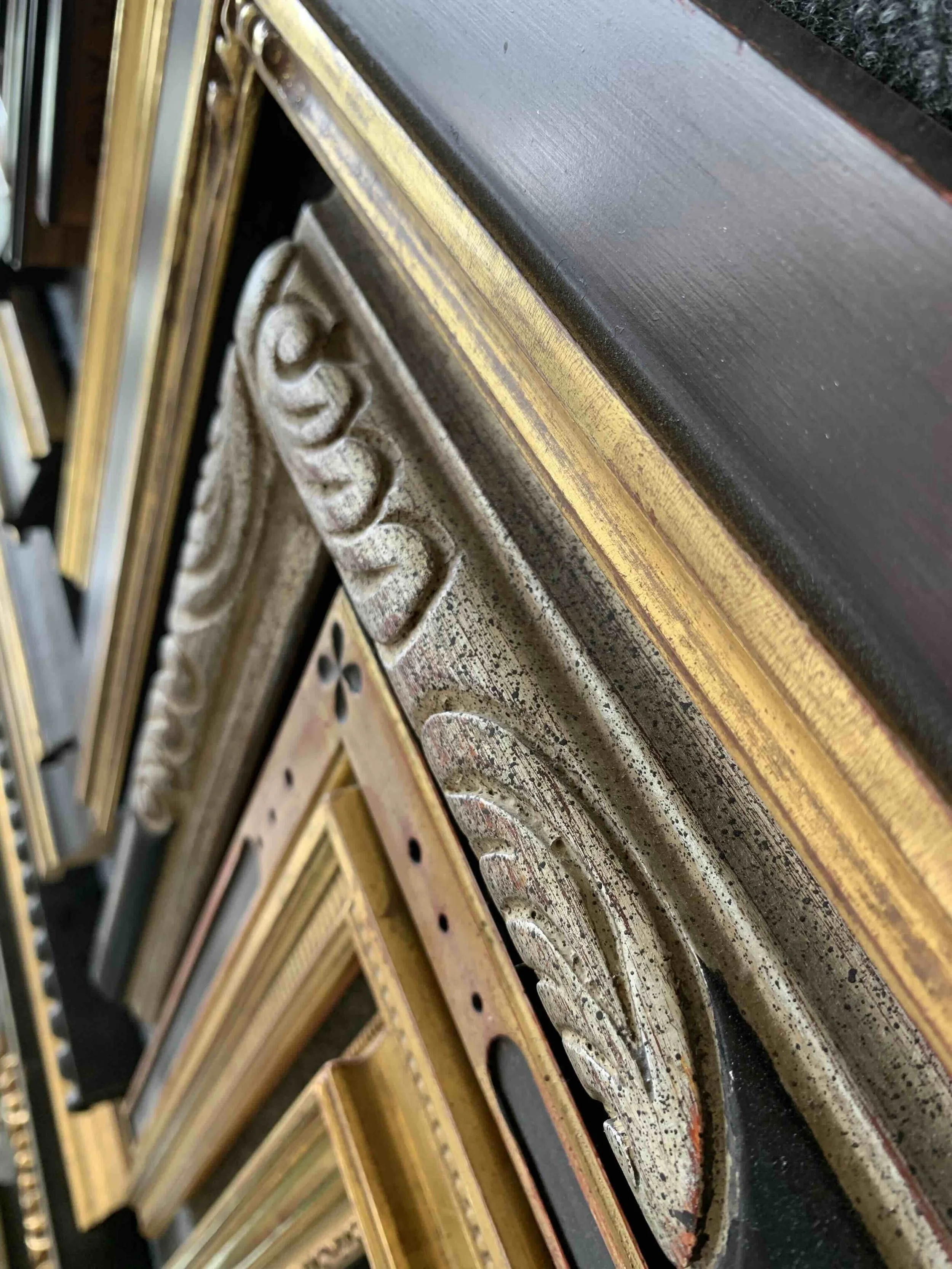
Museum-quality conservation framing
Museum-quality framing is designed to preserve artwork for the long term using archival methods and materials. We specialize in conservation framing for fine art, photography, documents, and sentimental pieces that require extra protection. Our studio serves collectors, artists, and families across Palo Alto and the Bay Area who want to ensure their work lasts for generations.
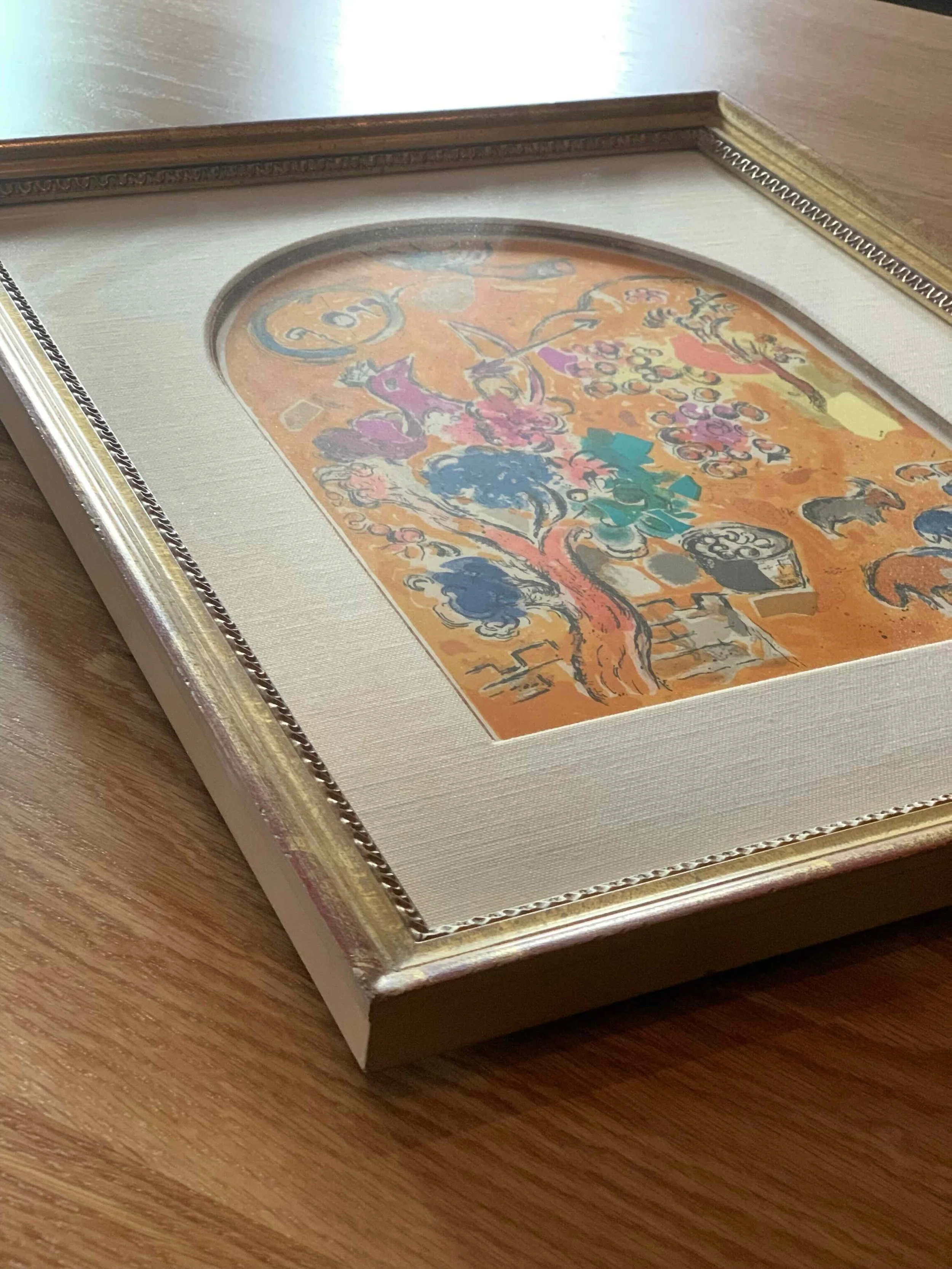
Archival protection for valuable artwork
Conservation framing focuses on protecting your pieces from light, humidity, and long-term degradation.
Acid-free mounting materials
UV-protective glass and acrylic options
Reversible, non-damaging techniques
We apply professional conservation standards to every project, ensuring your artwork is both protected and beautifully displayed.
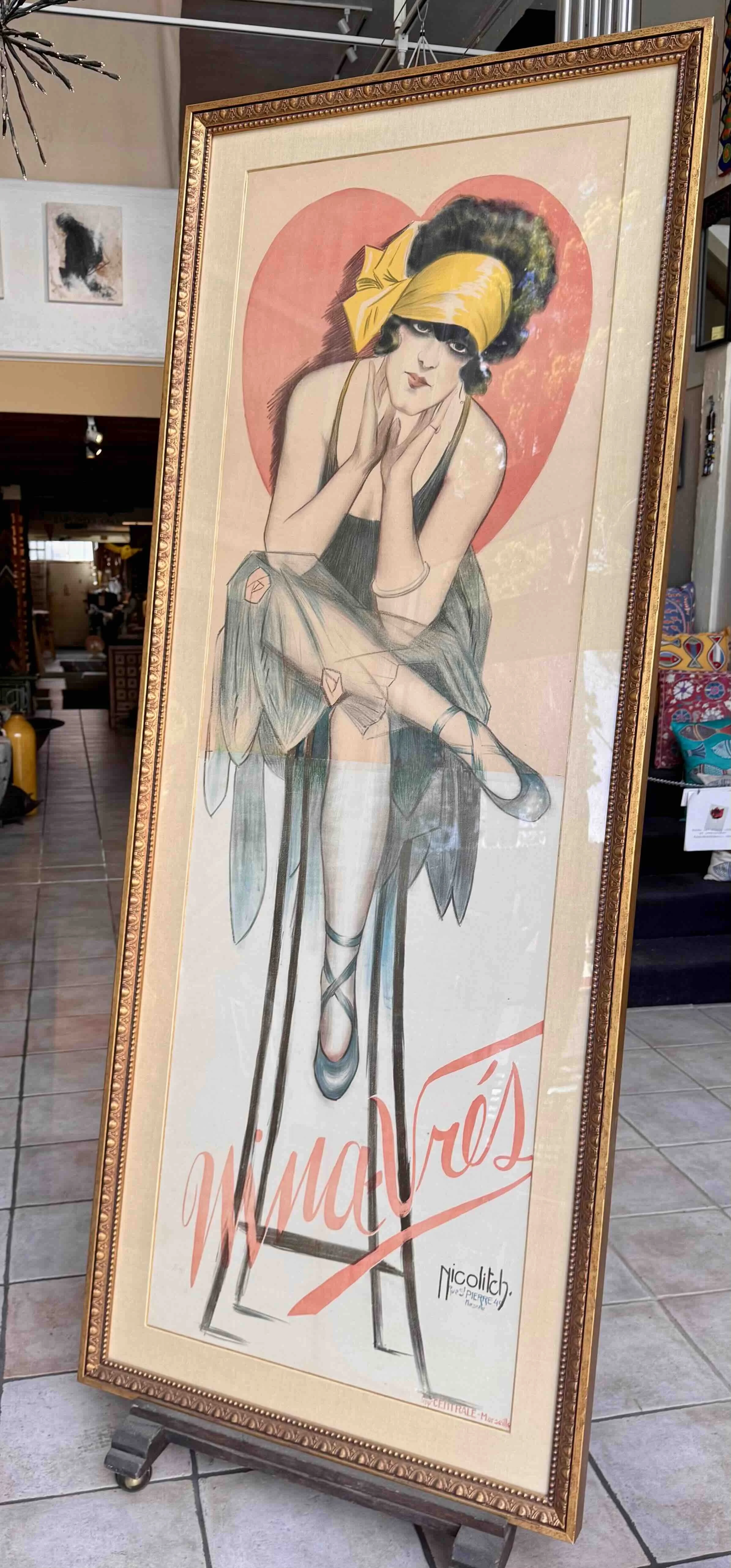
When to choose conservation framing
Conservation framing is recommended for:
Original artwork and fine art
Historical documents
Collectibles and valuable photography
Family heirlooms and archival materials
Improper framing can permanently damage valuable pieces. Our approach ensures your artwork is both beautifully presented and fully protected.
Frequently Asked Questions
Still have questions? Take a look at the FAQ or reach out anytime. If you’re feeling ready to stop by, go ahead and book an appointment.
-
Conservation framing uses archival-quality, acid-free materials and reversible techniques to protect artwork from long-term damage caused by light, humidity, and chemical deterioration. It is the standard used by museums and galleries to preserve valuable works indefinitely.
-
Here at Richard Sumner Frames, every project we do is considered museum-quality conservation framing. However, in general, standard framing prioritizes aesthetics and is suitable for most everyday pieces. Conservation framing goes further by using acid-free mats and backing, UV-protective glazing, and mounting methods that do not permanently alter or damage the artwork. This makes it the right choice for anything valuable, irreplaceable, or intended to last generations.
-
We recommend conservation framing for original fine art, historical documents, antique prints, valuable photography, family heirlooms, and any piece you cannot replace. If there is any doubt, conservation framing is always the safer choice.
-
Yes. One of the defining principles of conservation framing is reversibility — all mounting and attachment methods are designed to be undone without damaging the artwork. This is especially important for pieces that may be re-framed, loaned, or sold in the future.
-
Yes. UV-protective plexiglass filters out the wavelengths of light that cause fading and yellowing over time. For artwork displayed near windows or in bright rooms, it can dramatically extend the life of the piece. It protects 99.9% of the UV rays that could damage your artwork. In addition to standard UV-protective plexiglass, we also offer a low reflective option.
-
Yes. Acid-free mats, backing boards, and mounting materials are standard for all our conservation framing work. Acidic materials cause yellowing and deterioration over time, so we never use them on pieces intended for long-term preservation.
Want to learn more about museum quality framing?
Speak with us in Palo Alto about museum-quality framing options for your most important pieces.